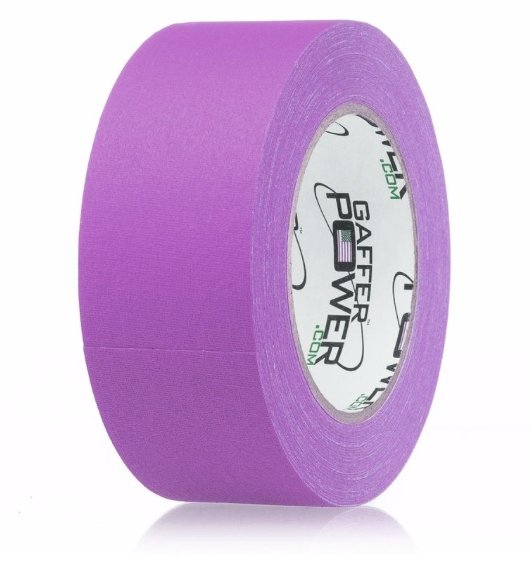
PROFESSIONAL GRADE INDUSTRY STANDARD: This is the flagship tape used by professionals on film sets, stages, and studios worldwide. Engineered to meet the highest industry standards, our 2-inch gaffer tape provides the reliable, high-performance grip required for demanding production environments.
ZERO STICKY RESIDUE & SURFACE SAFE: Secure your expensive cables, gear, and venue floors with absolute confidence. Our specialized synthetic rubber adhesive holds down solid but peels off 100% clean, leaving no permanent, gooey mess behind—even after days of use.
NON-REFLECTIVE MATTE FINISH: Eliminate distracting glare and light bounce on set. The premium woven cotton cloth backing absorbs stage lights and camera flashes perfectly, allowing your cable runs and floor seams to remain invisible to the audience and the lens.
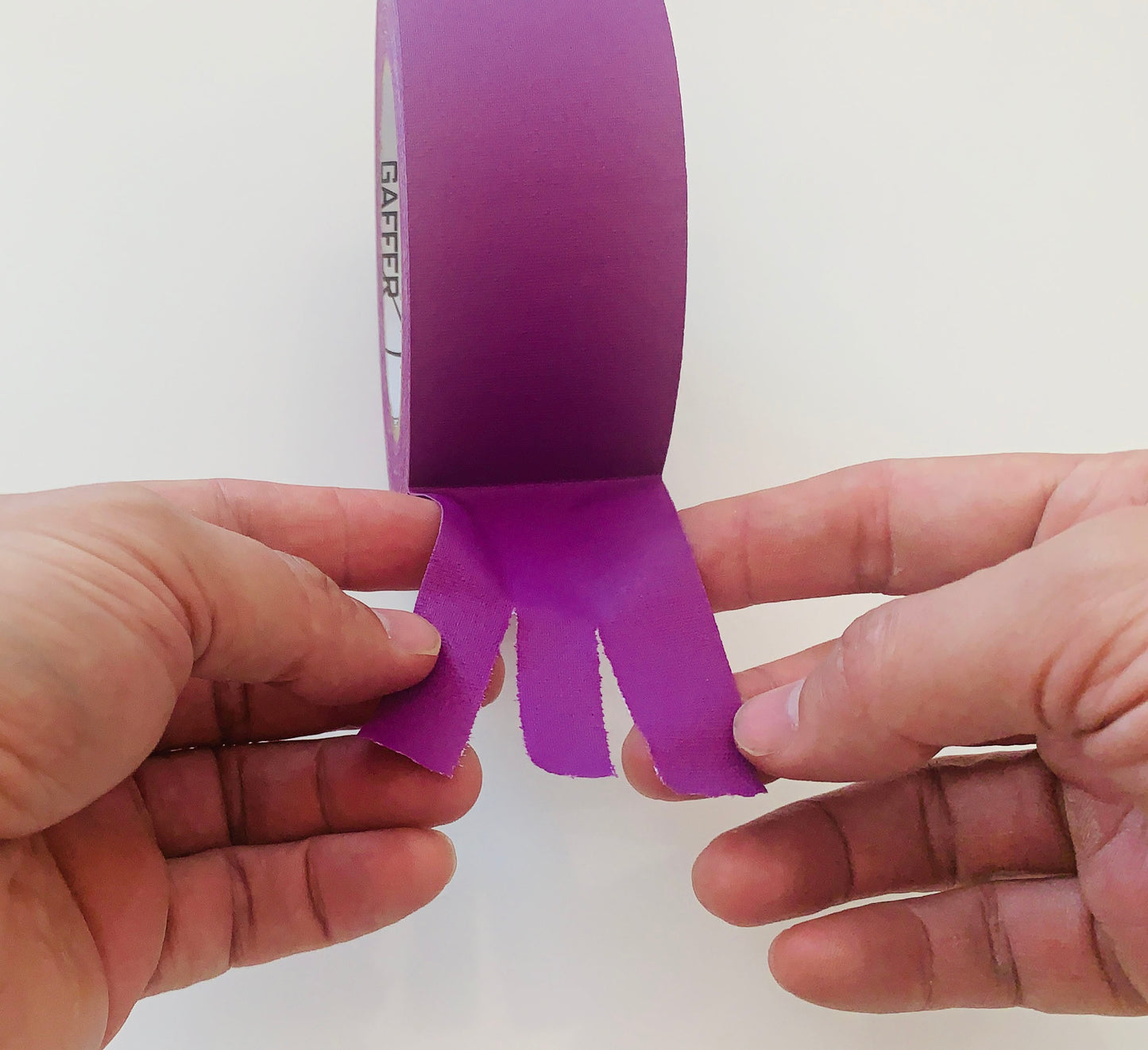
EASY TO TEAR BY HAND: Work fast and efficiently under pressure. No scissors or knives are required; the tightly woven cloth is specifically engineered to rip perfectly straight by hand—both horizontally and vertically—saving you time during busy setups.
WATER-RESISTANT & WEATHER TOUGH: Built for the rigors of touring and outdoor production. The heavy-duty cloth backing is coated to repel moisture, light rain, and spills, ensuring your cable bundles and floor markings stay secure in any environment.
100% MONEY-BACK GUARANTEE (MADE IN THE USA): We never compromise on quality. We are so confident that our premium, American-made Gaffer Power tape will exceed your expectations that we offer a full, no-questions-asked refund if you aren't completely satisfied.
Frequently Asked Questions: 2-Inch Gaffer Power Tape (30 Yards)
Is this real gaffer tape or just fancy duct tape? This is authentic, professional-grade gaffer tape. Unlike duct tape, which has a glossy finish and leaves a sticky residue, our gaffer tape has a non-reflective matte cloth finish and a specialized adhesive designed to remove 100% cleanly from surfaces without causing damage.
What are the most common uses for 2-inch gaffer tape? The 2-inch width is the most versatile size in the industry. It is primarily used for securing cables to floors (tripping hazards), marking stage positions (spiking), sealing road cases, labeling gear, and making emergency repairs to photography and film equipment.
Will this tape leave a residue on my cables or expensive venue floors? No. Our tape is specifically engineered for the entertainment industry, where clean removal is essential. It is designed to grip aggressively but peel off cleanly from cables, wood floors, and stage decking without leaving any adhesive behind.
Can I write on this tape? Yes. The matte cotton cloth surface takes ink from permanent markers (like Sharpies) beautifully without smudging. This makes it an essential tool for labeling mixing boards, wireless transmitters, and gear cases.
Is it safe to use on painted walls? Yes. It is generally safe for fully cured painted walls. However, because paint quality and adhesion vary, we always recommend testing a small, inconspicuous area first. For best results, peel the tape off slowly at a 45-degree angle.
For more information, check out:
The Complete Guide to Gaffer Tape
 USA SHIPPING
 MONEY BACK GUARANTEE
 1000+ HAPPY CUSTOMERS